
In sports, it’s often said that reaching the top level is easy compared to maintaining it. One might assume that once an athlete attains a certain level, it would be easier to stay there, as the necessary adaptations and qualities have already been developed. However, the reality is more complex.
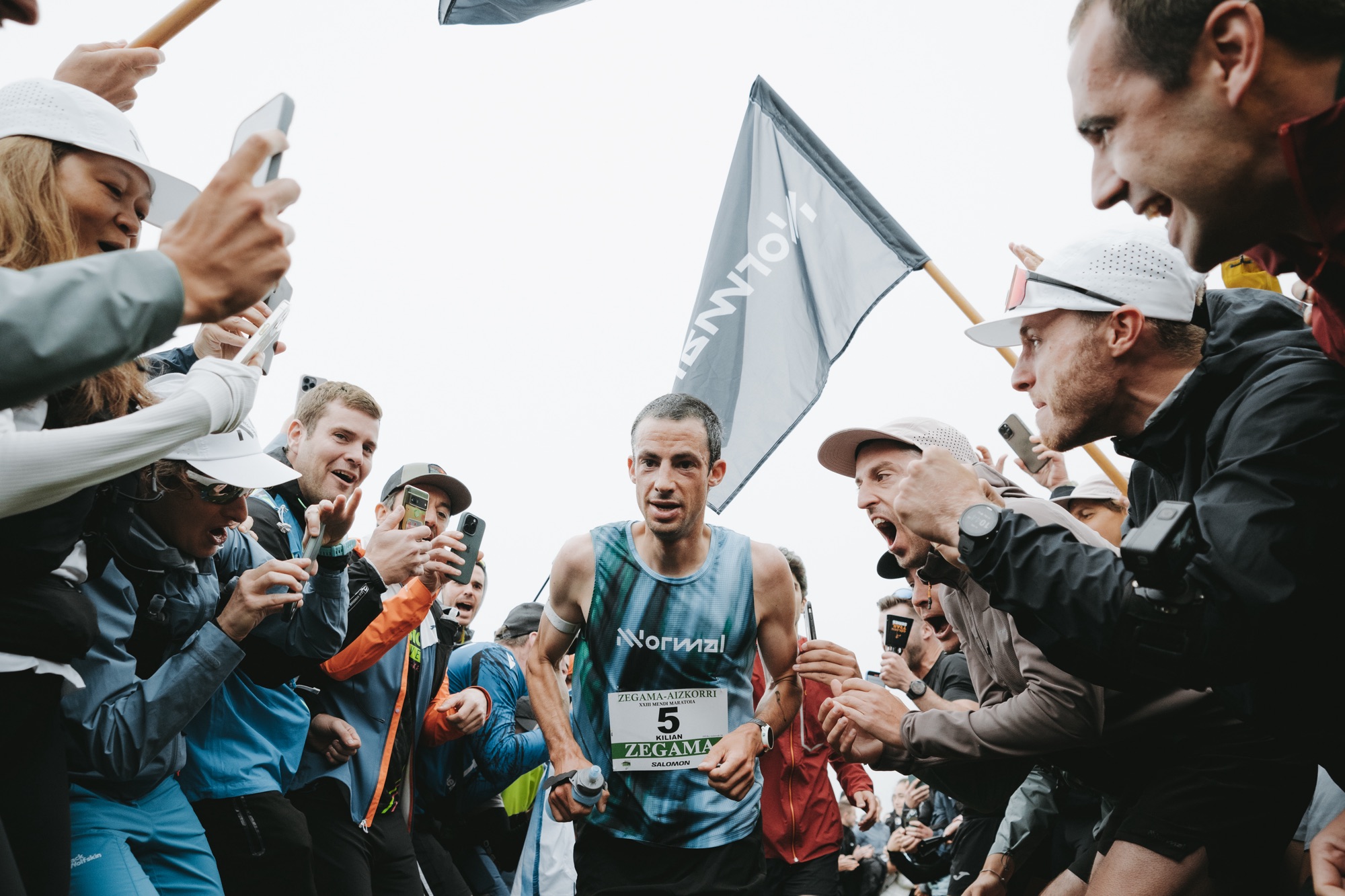
Last week, I competed in the Zegama-Aizkorri, a 42km trail race in the Basque Country. It’s been 17 years since my first victory at this race, and my two best performances have been in my last two participations. I began racing as a teenager in high school, driven by high goals and competitive hunger. Now, I race as a father of two. When I was younger, I believed I would slow down by age 30. Yet, now approaching 40, I still see potential for improvement. Athletes like Kenenisa Bekele, Eliud Kipchoge, Marit Bjørgen or Jeannie Longo and trail runners such as Miguel Heras, Ricardo Mejia, Corine Favre or Ida Nilsson have demonstrated that longevity and endurance sports are compatible. Their examples inspired me to write this article.
Instead of focusing on achieving high performance, which I’ve covered in other articles, I will discuss how to sustain high performance over the long term.
With age, muscle mass decreases, bone density diminishes, lung capacity deteriorates, and maximum heart rate falls. These changes pose significant challenges to maintaining peak performance. But wee keep seing older athletes performing at high level, and that’s because a training lifestyle makes athletes to reduce this deteriorations as well as still creating new adaptions.
It’s easy to believe that longevity in sports is driven by high-tech innovations, but no single technological advance, training trend, or superfood supplement can stop age related decline. The solution is much simpler but far from easy.
The first key is consistency. This means not resting on your laurels once you reach a certain level. Continue to challenge yourself and maintain a rigorous training routine. Often athletes with long careers don’t think much about the past (great) results but work as they were beginning their career towards new goals.
Effective training load management is crucial. And that comes from an individual plan for training and all the other stimuli. Training enough to stimulate adaptations but not so much that you risk injury, which can disrupt training continuity. Find a routine that maximizes training benefits while minimizing injury risk, and adhere to it. One significant change I’ve noticed with age is that recovery takes longer. To cope with this, consider racing hard less frequently or incorporating more easy sessions between hard ones.
Stress management is also vital. Athletes with long careers often lead simple, stable social and family lives. They adhere to daily routines that respect their circadian rhythms and biorhythms, rarely deviating from them. The ability to prioritize this routine over other activities and opportunities is crucial for sustained performance. Additionally, having a supportive environment is important to being able to keep this routine.
Intrinsic motivation is essential to enduring the lifestyle’s challenges, such as pain, fatigue, building back from injuries… While external motivation can boost short-term goals, it’s not sustainable for the long term. The uncertainties of sports results, combined with the discomforts of training, can be too burdensome if motivation relies on external achievements. Instead, the reward should come from a genuine passion for the activity. The athletes often sense a important internal “Why” they practice sport, to keep a strong focus, or refocus when deviating, and this comes from a strong enjoyment of the activity. That enjoyment can come from different angles, competitiveness, self-exploration, exploration, community bounded, the movement itself… but is rarely related to the results themselves but more to one or different emotions that the activity provides in their different facets.
Goals remain important, though. High-level athletes often have a strong sense of ambition, driving them to seek new challenges and continually reinvent their goals rather than resting on their achievements.
Lastly, maintaining overall health is crucial. Staying active both in training and in daily life, following a natural diet and minimizing toxin intake.
And well, at the end training hard has been shown to contribute to a longer life, as discussed in this article: https://link.springer.com/article/10.1007/s40279-020-01379-5.
Image © Anton Guarestti



Leave a Reply